Luciano Fabro
Abitare lo spazio. Inhabiting Space
08.10.2026 – 21.02.2027
Current Exhibition – navate
Admission to the exhibition is free and online reservation guarantees priority access in the selected time slot. Members have priority access even without reservation.
Luciano Fabro: the artist
A central figure in postwar Italian art, Luciano Fabro (Turin, 1936–Milan, 2007) was a leading member of the Arte Povera movement, while constantly maintaining an independent and nonconformist approach to artistic research.
From the beginning of his career, he developed a distinctive approach to the notion of inhabiting space, conceived by the artist as a dynamic field of action, whilst examining the act of looking, the experience, and the relationship between the viewer, the artworks and the surrounding environment.
Informed by Lucio Fontana’s Ambienti Spaziali (1899–1968) and by the conceptual inquiries of Piero Manzoni (1933–1963), Fabro focused into the linguistic aspects of sculpture, treating it as an essential tool for interpreting the forms of experience and redefining the relationship between the sculptural element and the surrounding space.
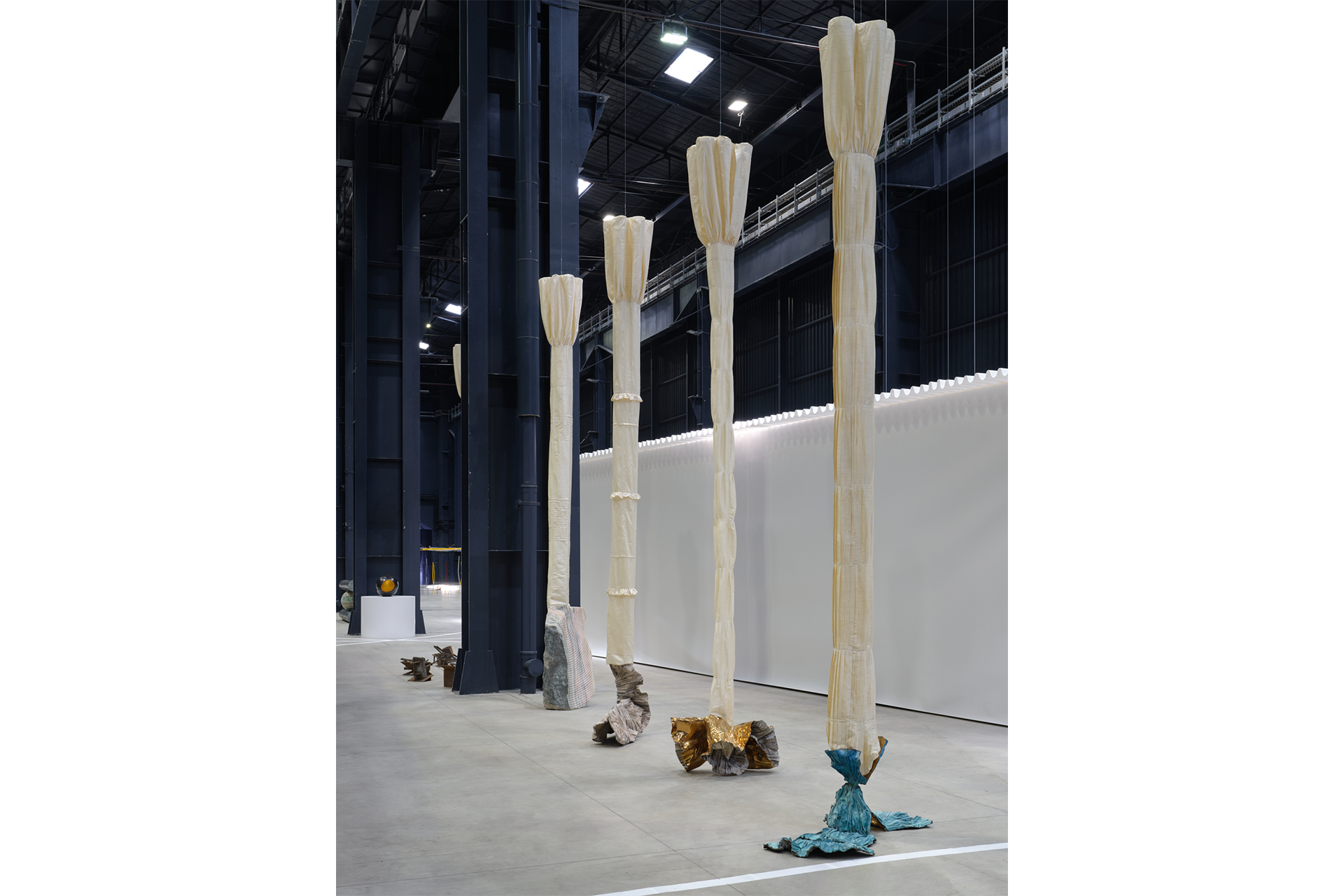
He experimented extensively with the expressive potential of a wide range of materials, ranging from more traditional media such as marble, glass, and bronze to less conventional ones, such as silk and lead, each chosen for its sensory and evocative qualities.
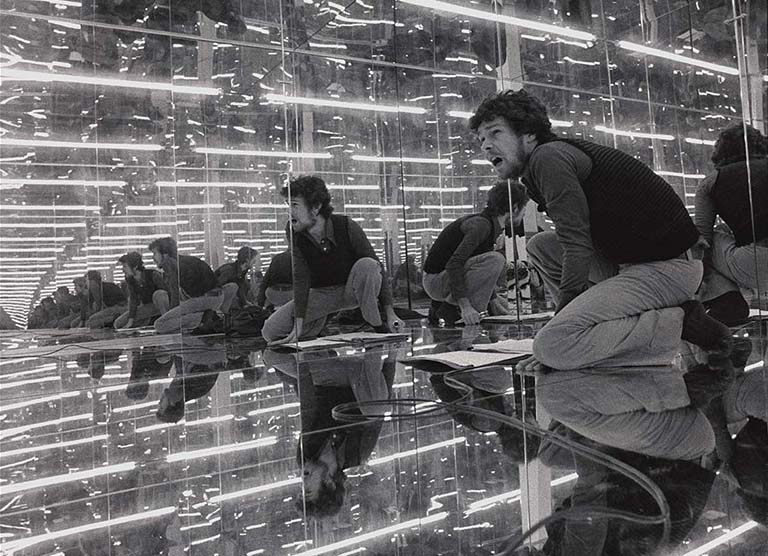
Influenced by a renewed interest in the Baroque aesthetics, Fabro’s works employ reflective surfaces, glass, and mirrors to fragment and multiply the surrounding space, intensifying the interplay of contrasts and the relationship between presence and absence, the visible and the invisible.
Working at the intersection of sculpture, painting, and architecture, Fabro highlights their mutual cross-contamination, using seemingly simple forms to generate complex meanings.
Defining painting as “vision” and sculpture as “revelation”, he developed an open, layered body of work in which materials and languages intertwine in an exploration that is simultaneously reflective, sensual, rigorous, and dynamic.
Alongside his artistic work, Fabro developed a rigorous theoretical approach, making significant contributions to art theory. Grounded in meticulous conceptual reflection, his research leaves behind a substantial body of writings.
At the core of his thinking lies a constant tension between the autonomous nature of the work of art —understood as a complete form and a principle of order— and the realm of sensory experience, through which gives the artwork acquires meaning in its encounter with the real world. Fabro’s sculptures and installations thus emerge as points of equilibrium between these two poles, where conceptual rigor and perception, formal autonomy and relationality coexist in a state of continuous openness.
This strong intellectual foundation nourished the creation of imaginative and multilayered works, often characterized by a subtle sense of irony, that expanded and redefined the possibilities of contemporary sculpture.
More than a decade since his last major international exhibition, held at the Reina Sofía Museum in Madrid in 2014, the Pirelli HangarBicocca retrospective offers an opportunity to reflect on Fabro’s profound connection to the city of Milan. Having moved there in 1959, after spending his childhood in Friuli, the artist found in the city’s vibrant cultural scene a fertile environment for the development of his artistic practice. Between the late 1970s and the early 1980s, together with artist Hidetoshi Nagasawa (1940–2018) and critic Jole De Sanna (1947–2004), he founded Casa degli Artisti, a center intended to foster dialogue and experimentation among generations of younger artists. From 1983 to 2002, Fabro also taught at the Brera Academy of Fine Arts, inspiring numerous artists of his time as much as subsequent generations.
The exhibition “Abitare lo spazio. Inhabiting Space” by Luciano Fabro at Pirelli HangarBicocca
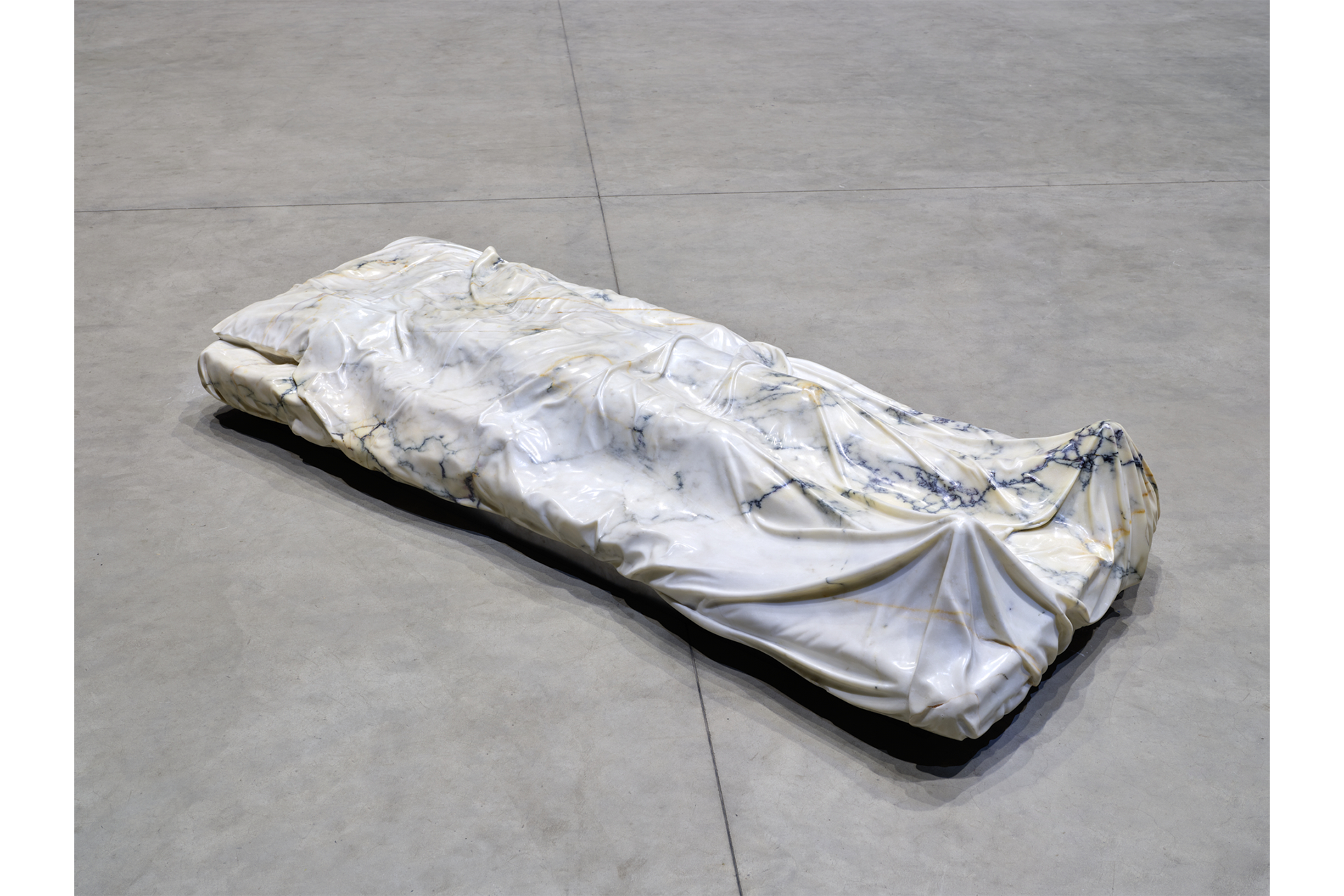
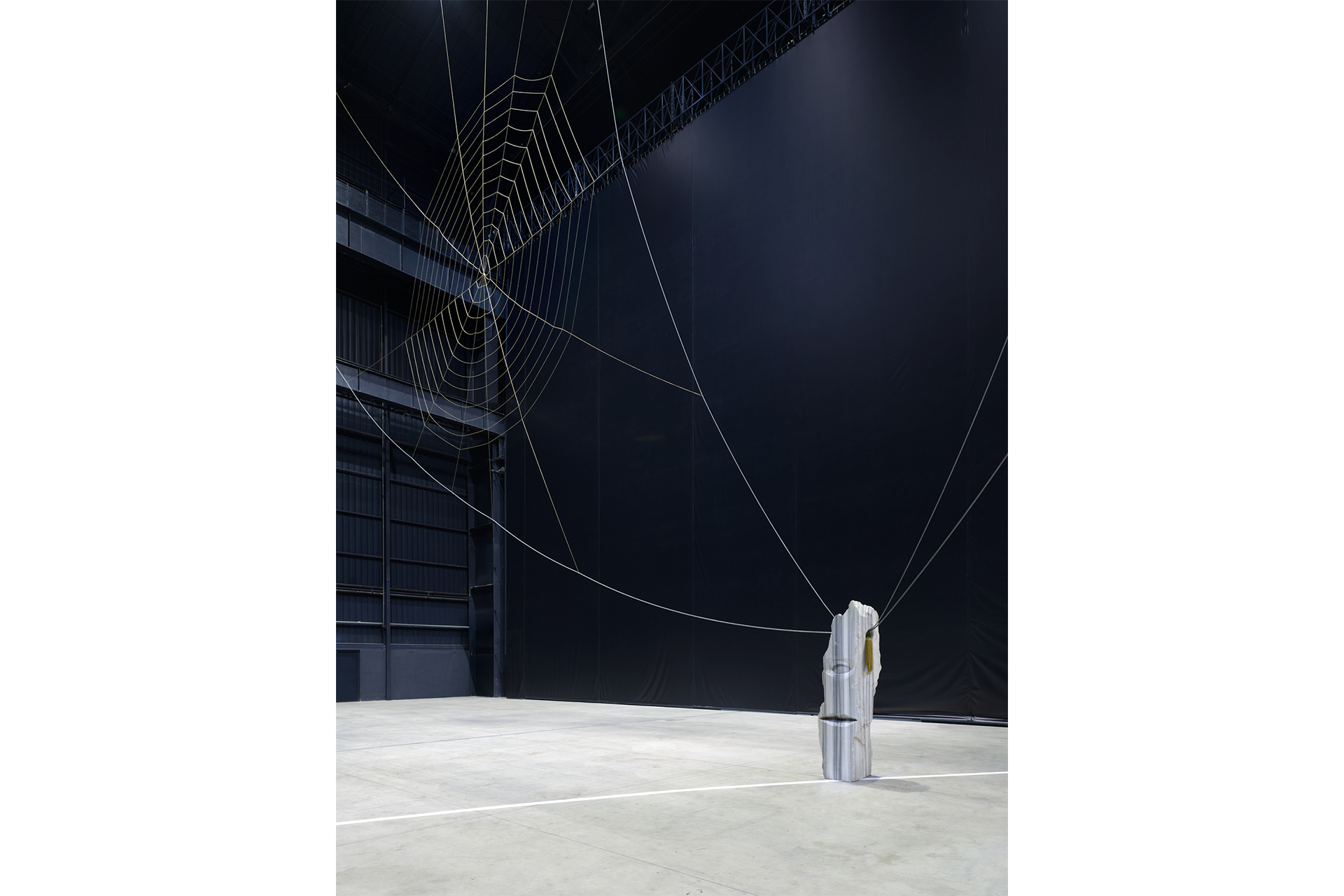
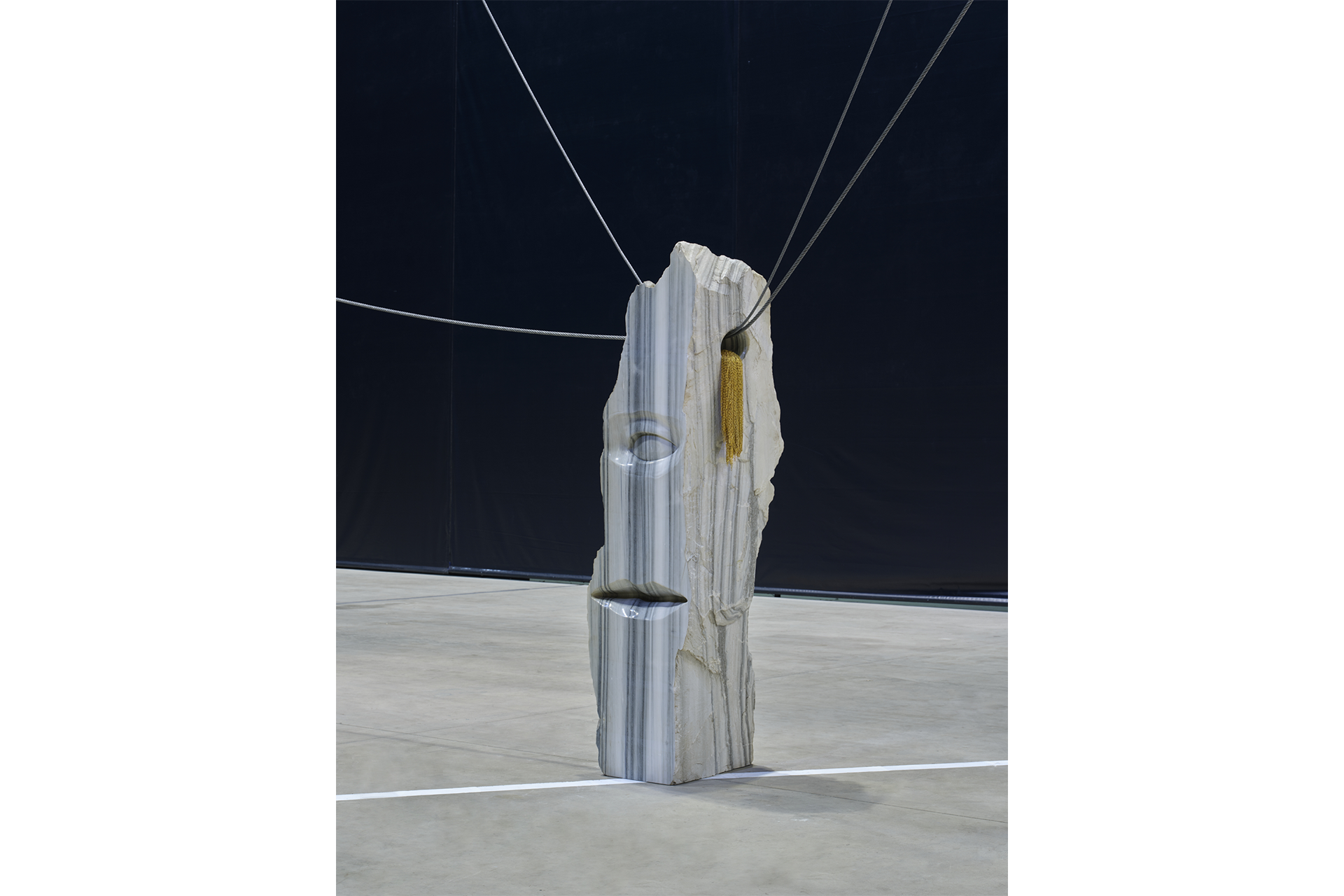
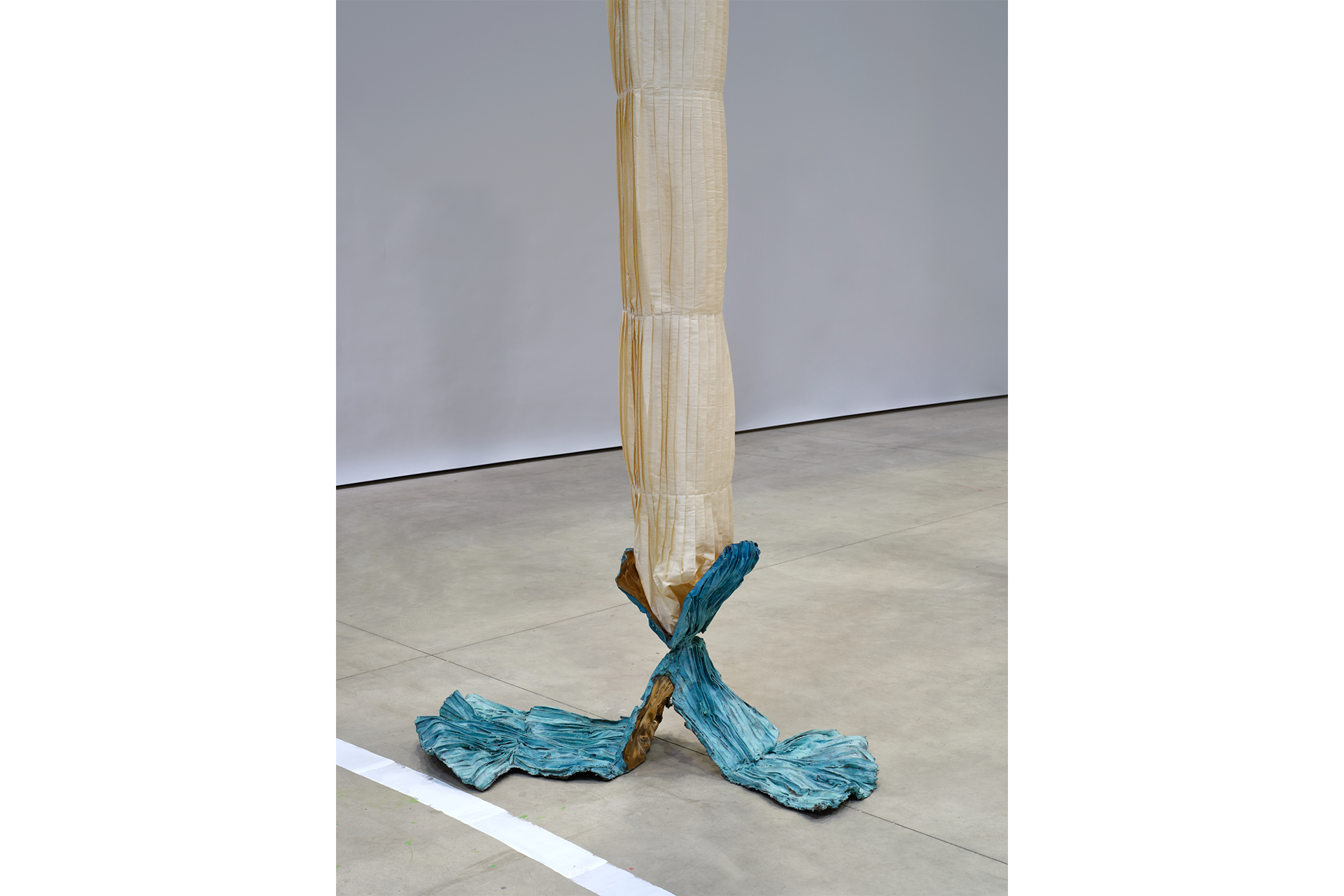
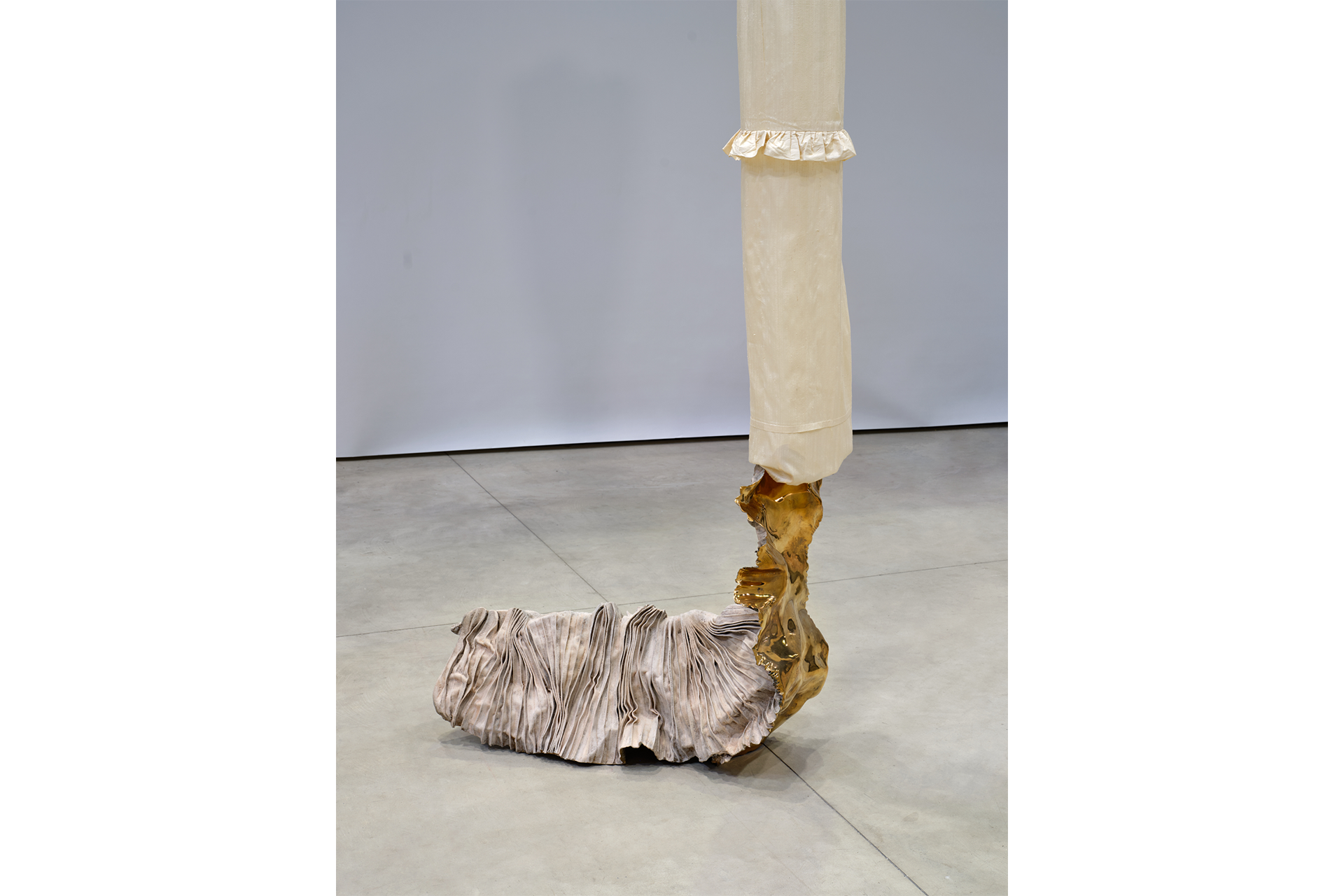
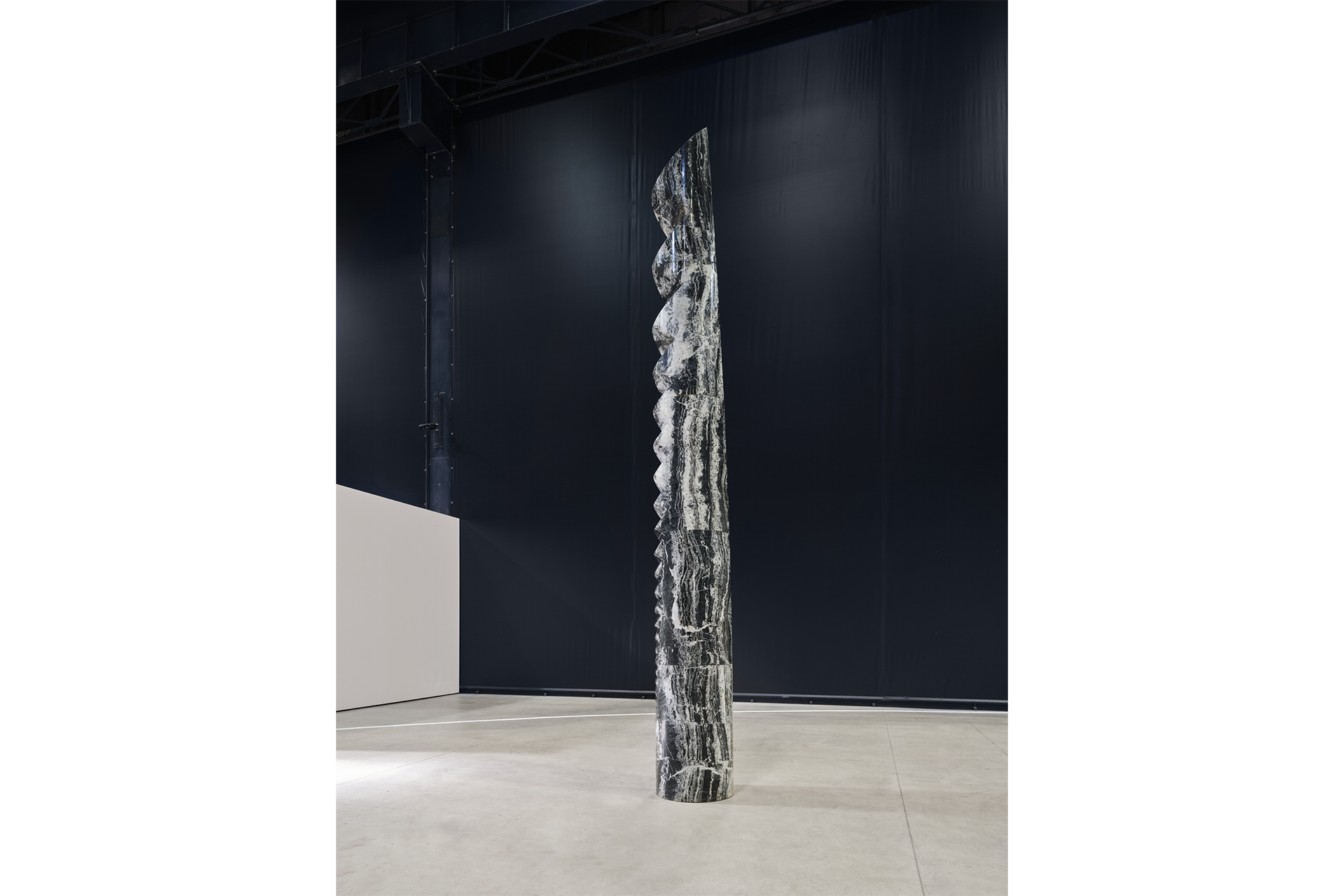
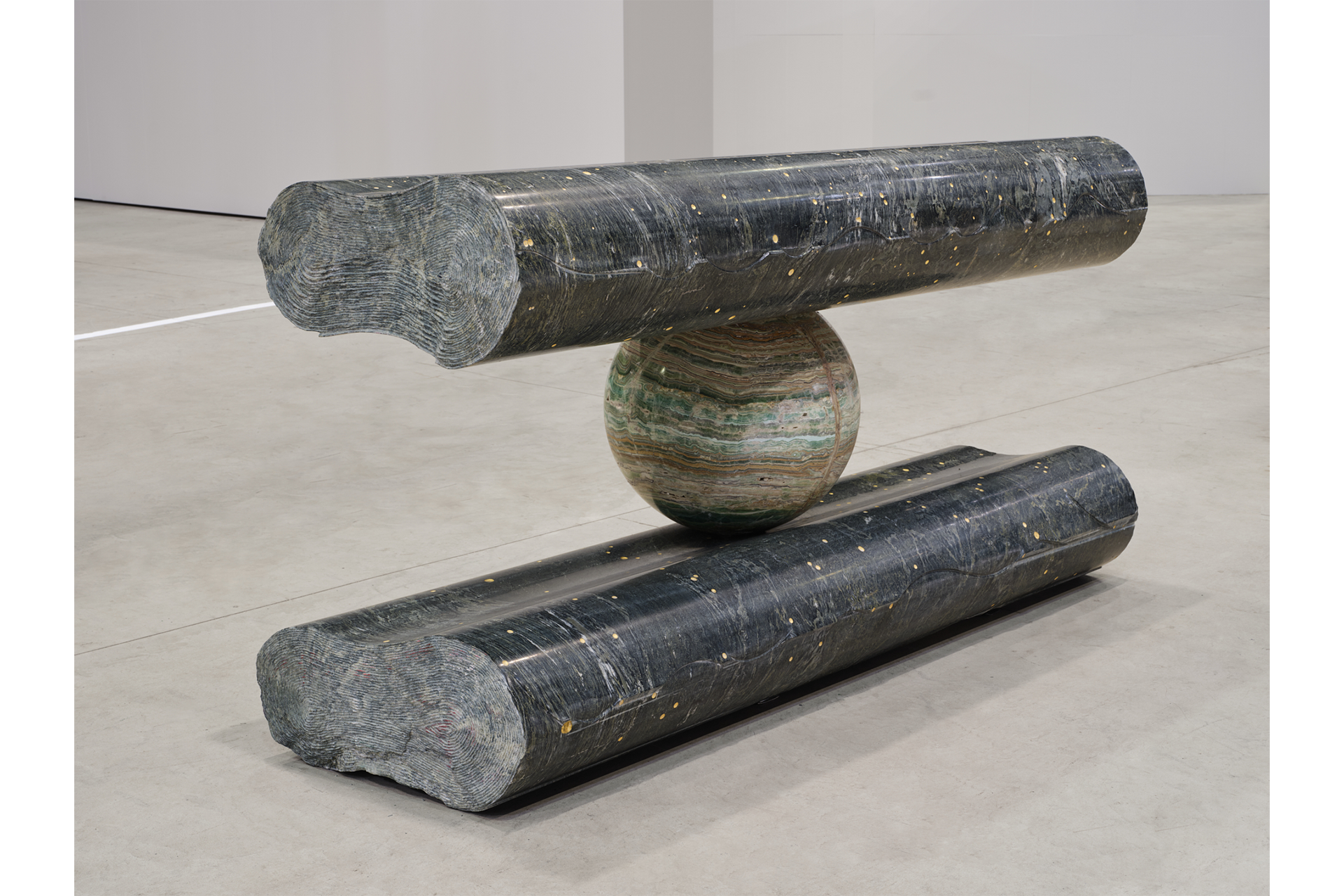
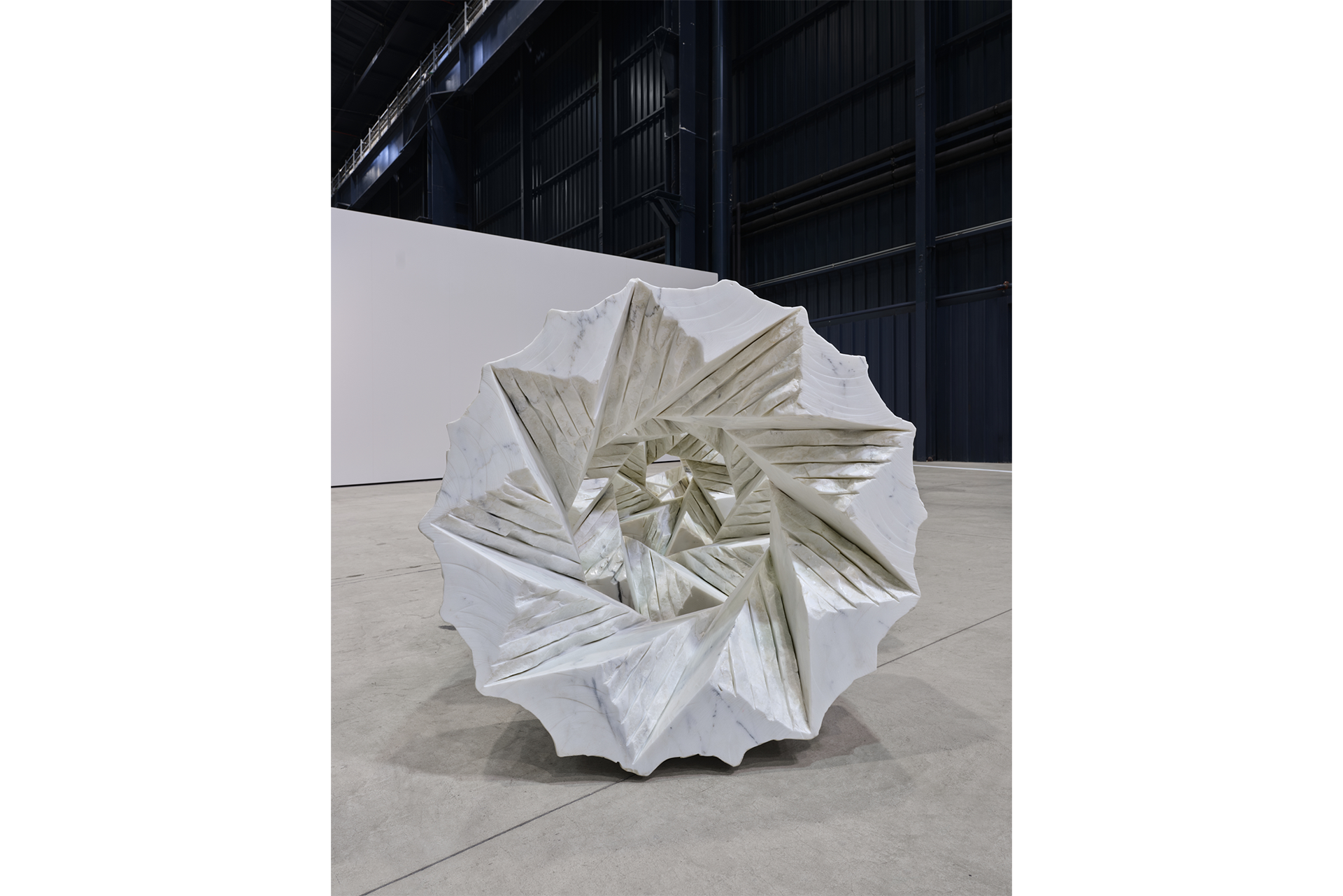
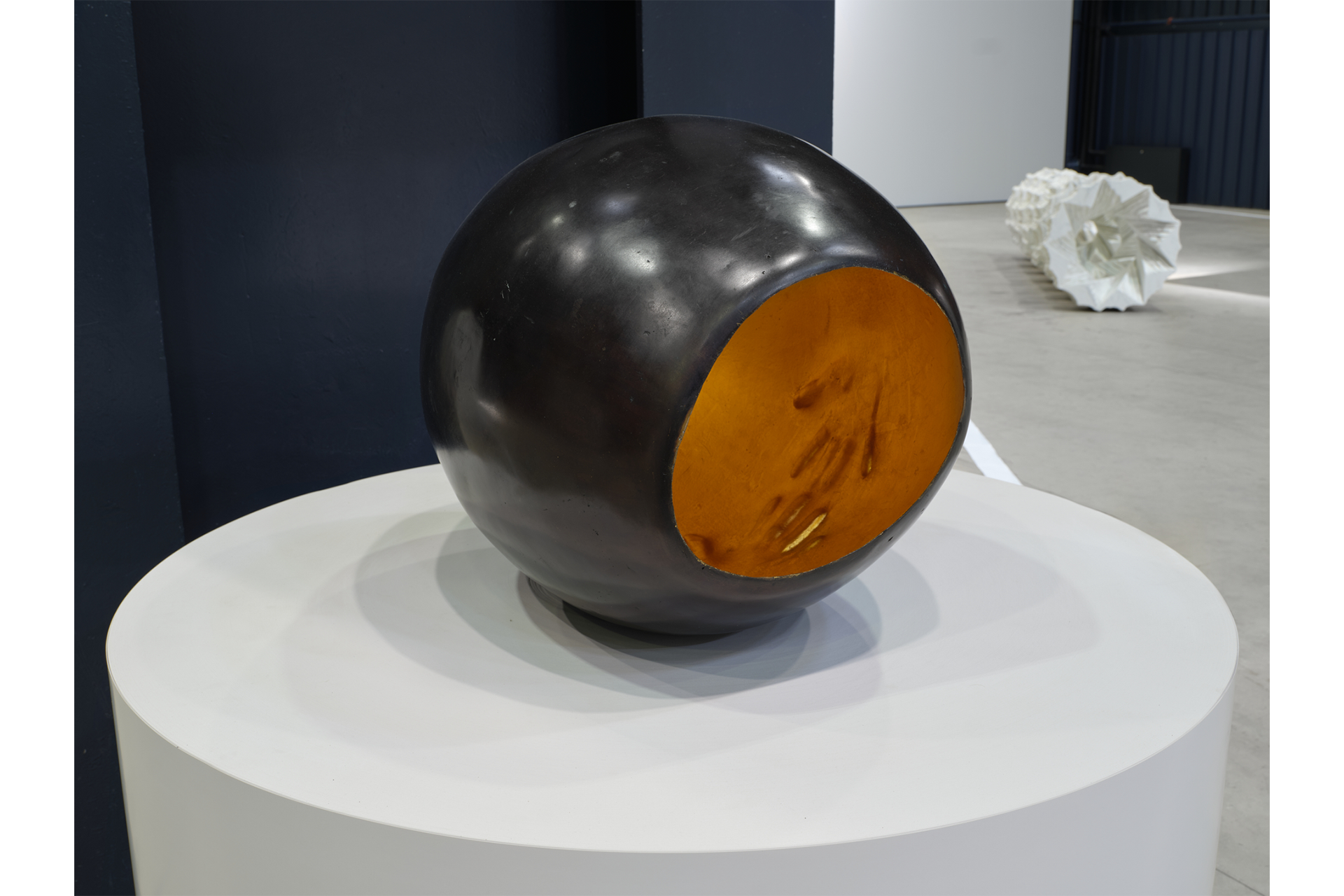
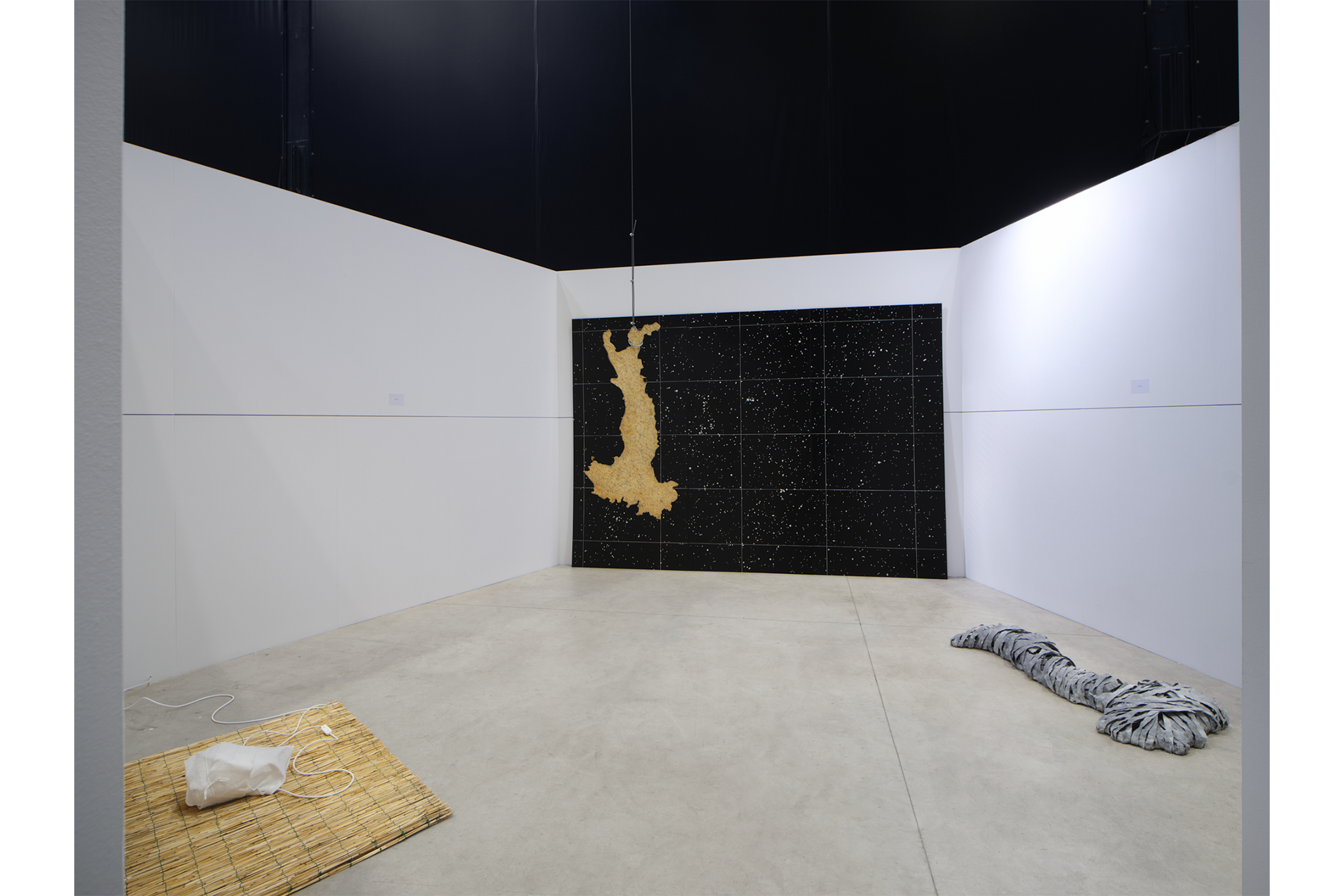
Titled, “Abitare lo spazio. Inhabiting Space”, the exhibition is the first museum retrospective dedicated to Fabro in Italy since his death in 2007. The exhibition at Pirelli HangarBicocca brings together around fifty of the artist’s most significant sculptures and installations.
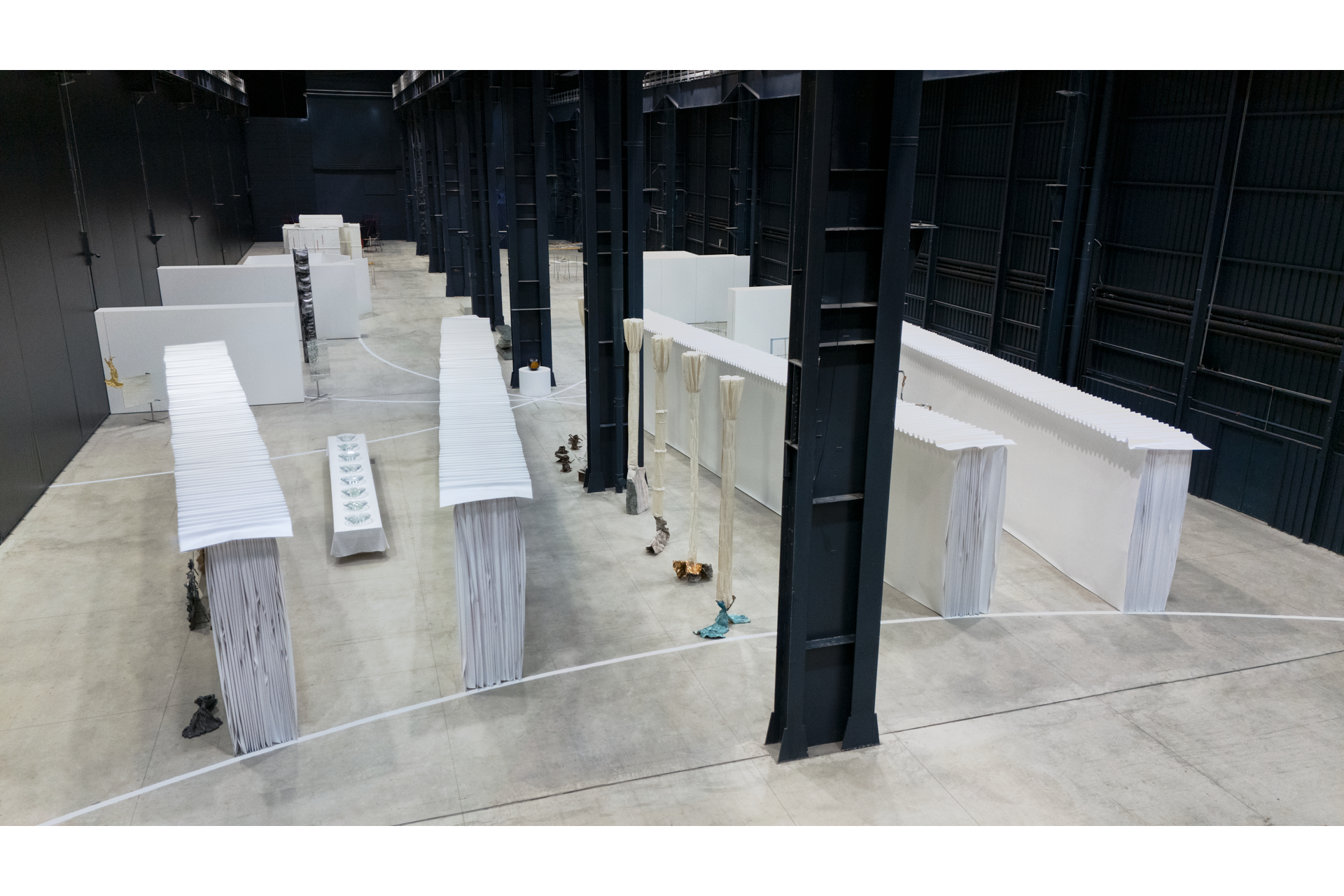
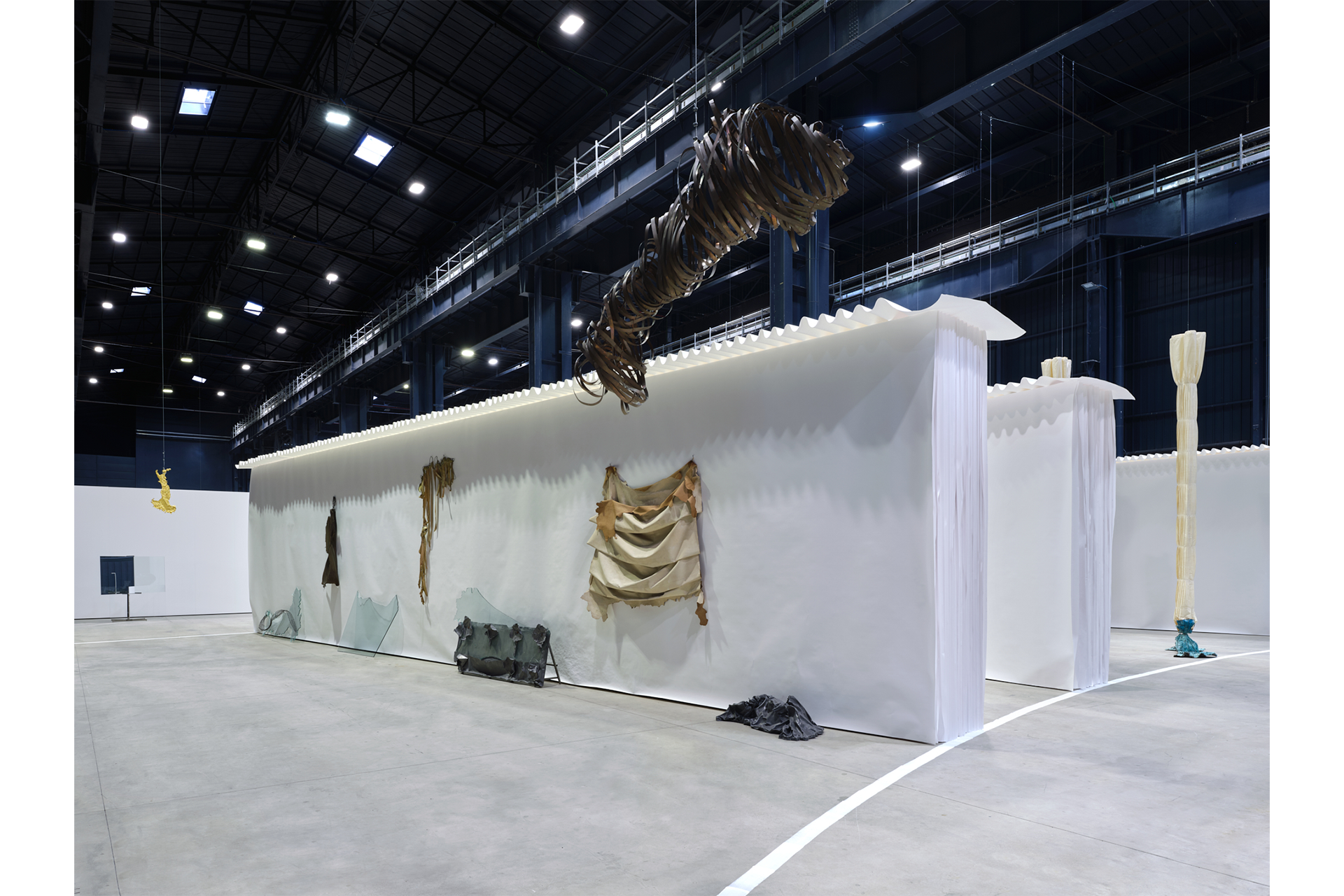
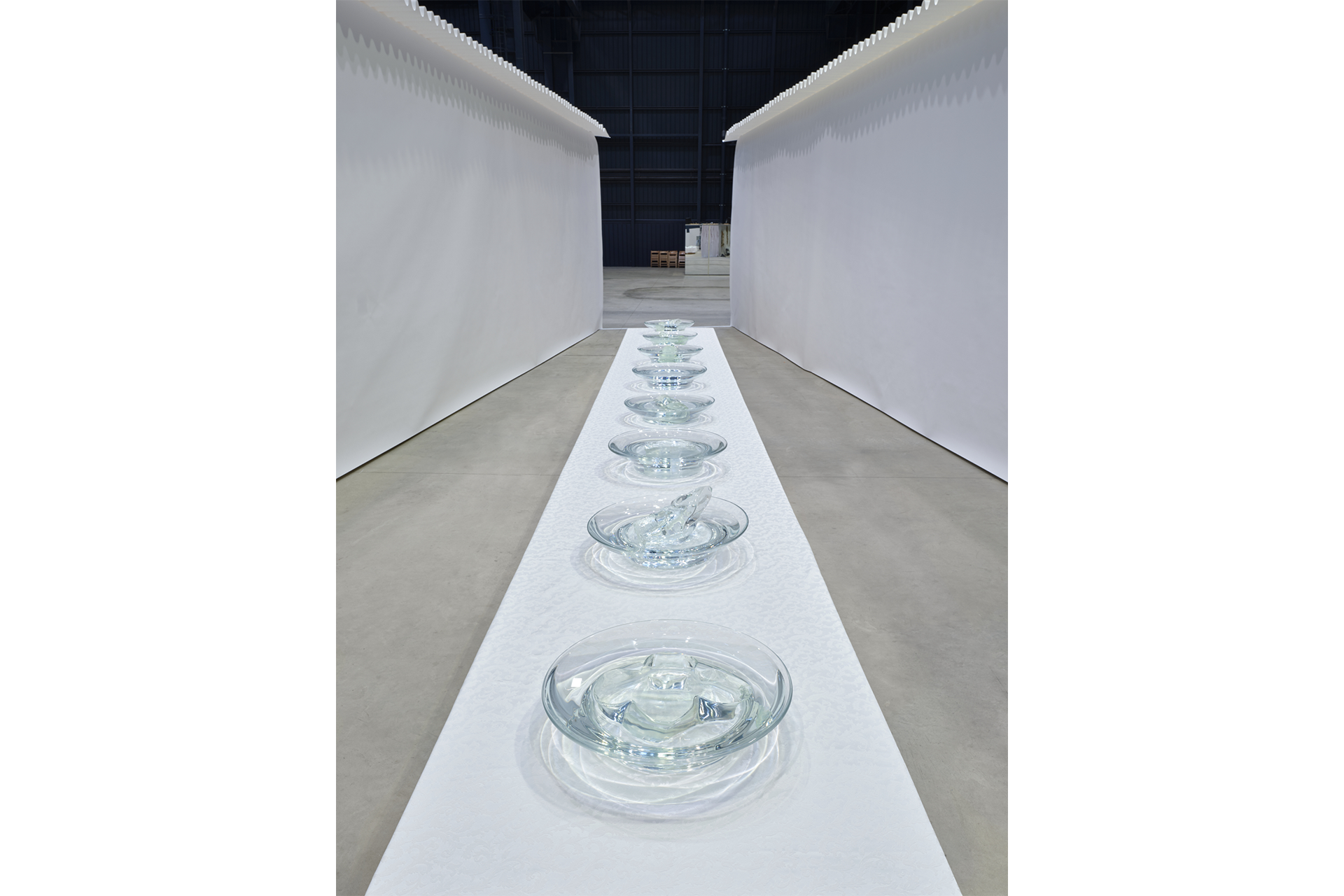
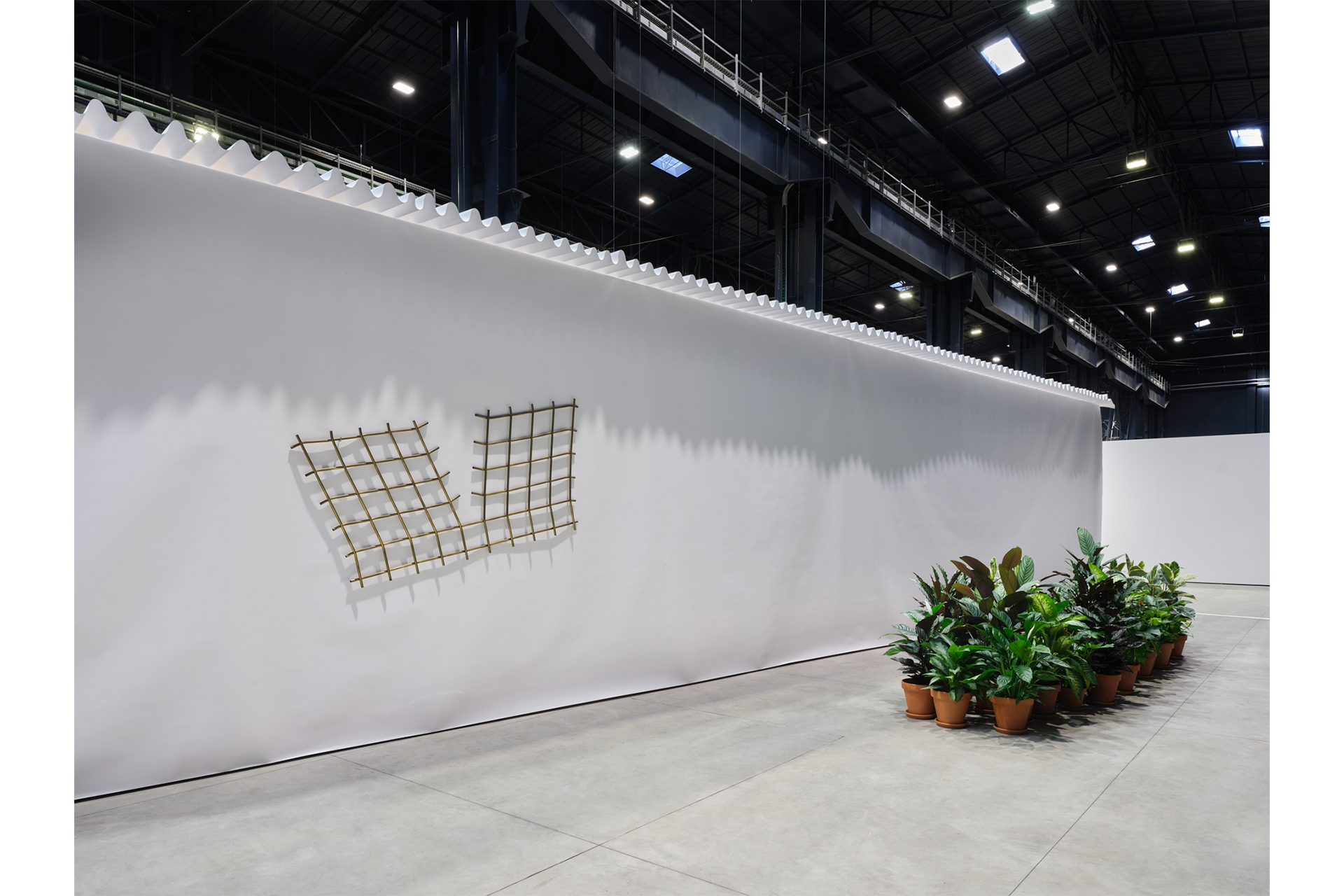
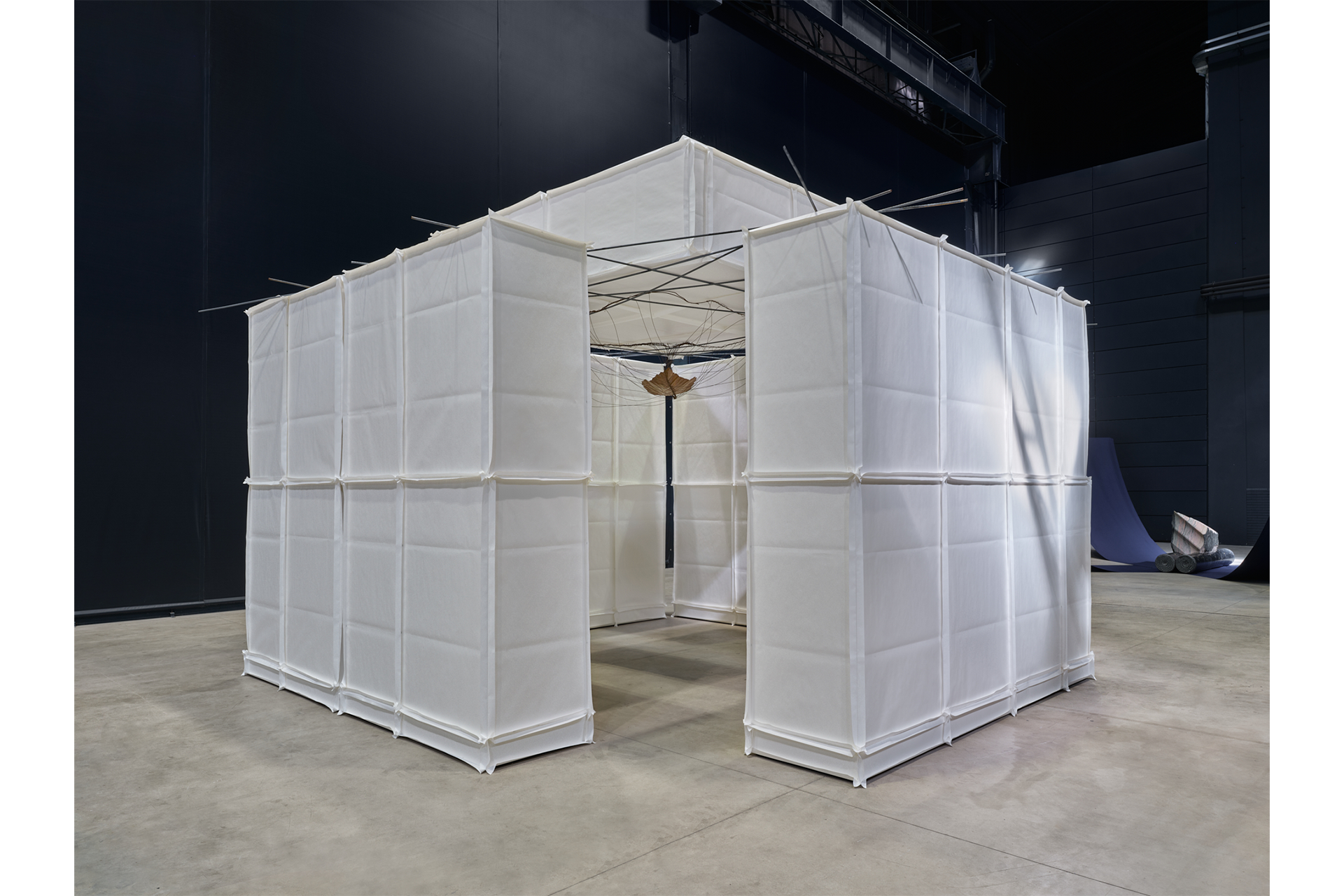
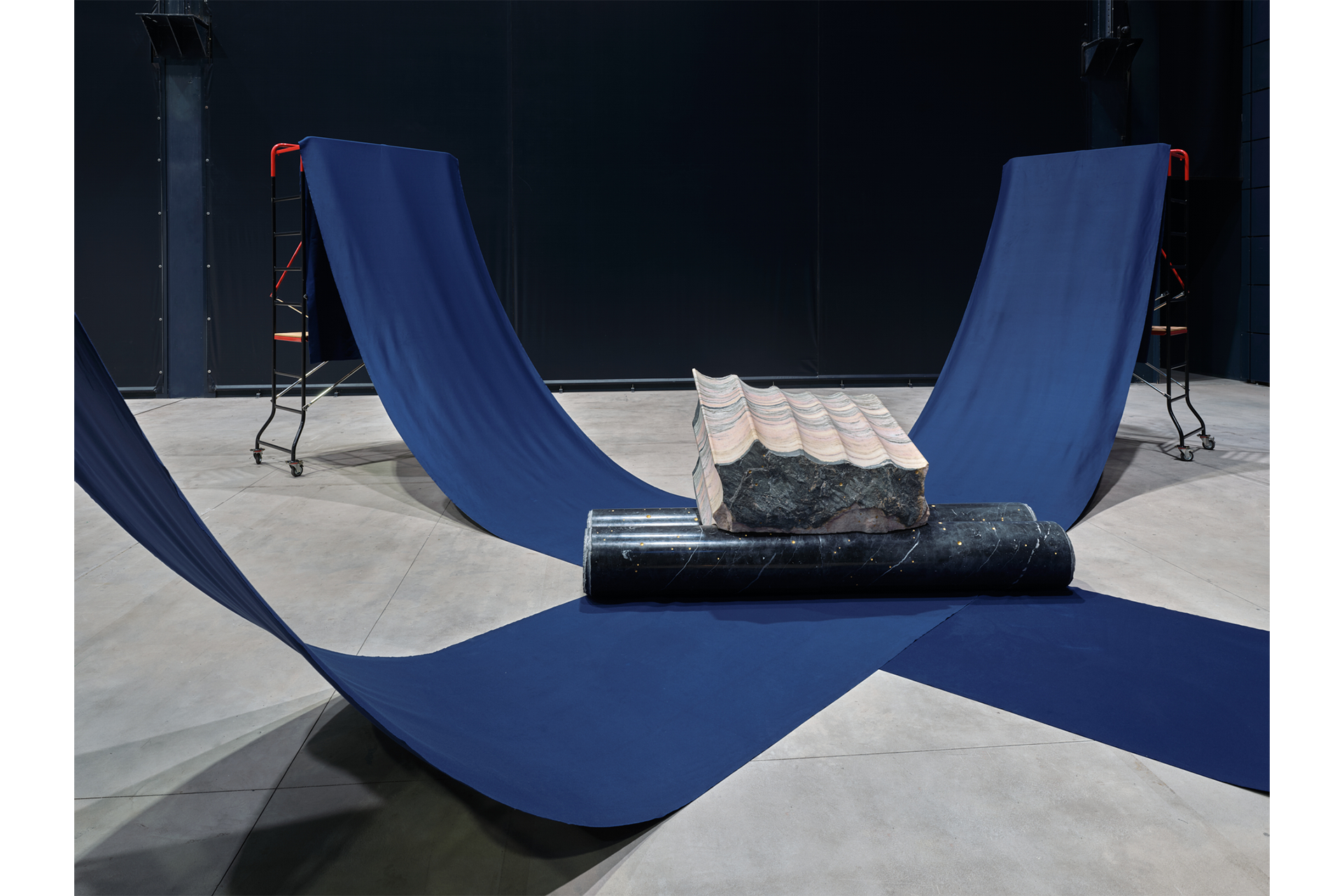
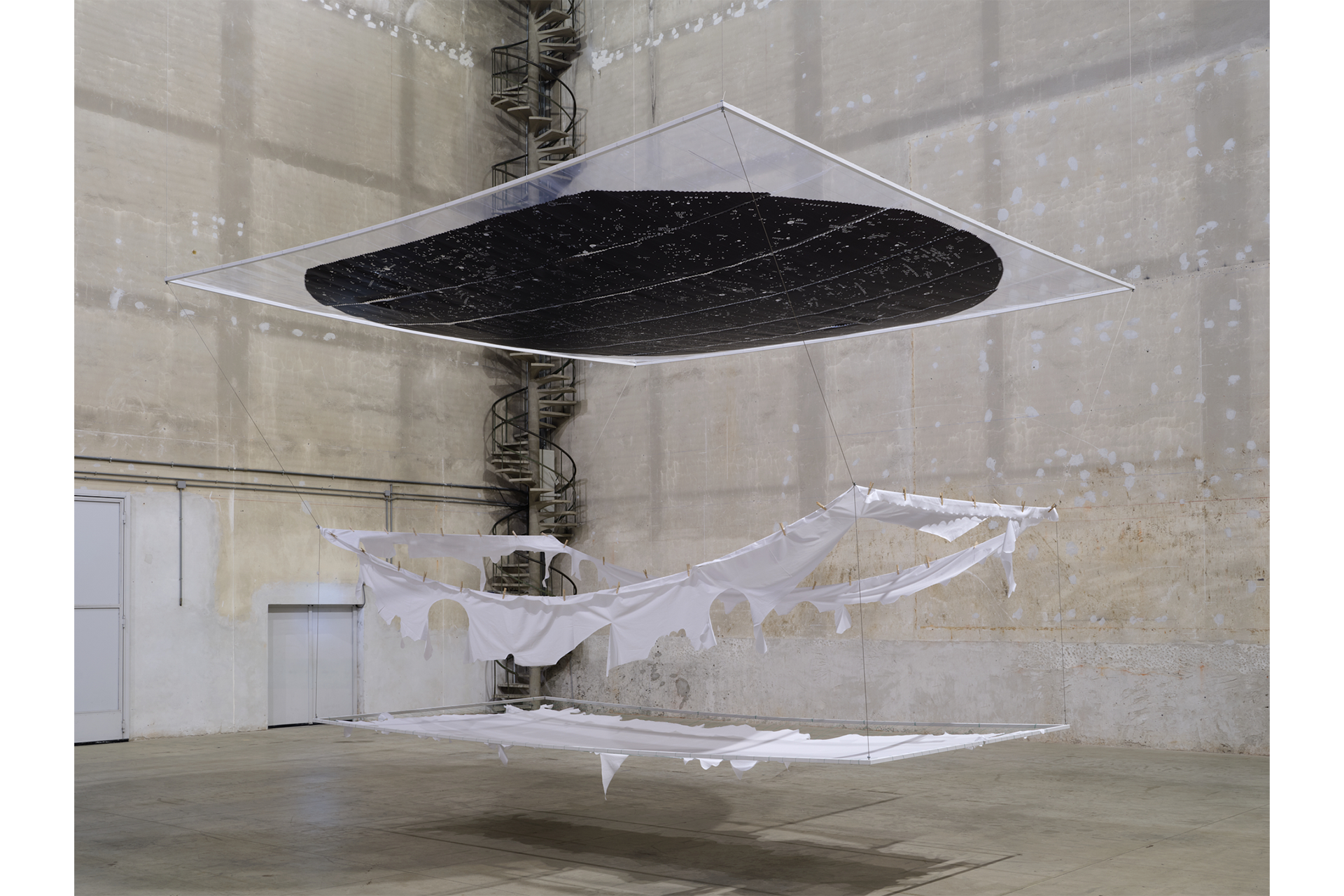
It examines the artist’s conceptual and formal approach to space, exploring the ways it engages with the perception of those who inhabit it. Emphasis is placed on Fabro’s investigations into perception and spatial experience, initiated in the 1960s, tracing their development from his early experiments with mirroring surfaces through the following fifty years. This evolution culminated in increasingly complex architectural structures and spaces—often made of paper—which the artist referred to as “habitats”: ideal environment, either autonomous/self-contained or integrated into existing spaces, conceived to house and activate his works.
The notion of habitat runs throughout Fabro’s practice from the 1960s onwards, although the artist only began using the term in the 1980s. For Fabro, a habitat combines materiality and artisanal elements with theoretical and philosophical depth.
The concept draws on its dual etymological roots: the Latin verb habito, meaning to inhabit or to dwell, and the noun habitus, referring to outward appearance, bodily form, or clothing. Within this framework, the habitat becomes a space to be traversed and inhabited, as well as a device that shapes perception and fosters relationships.
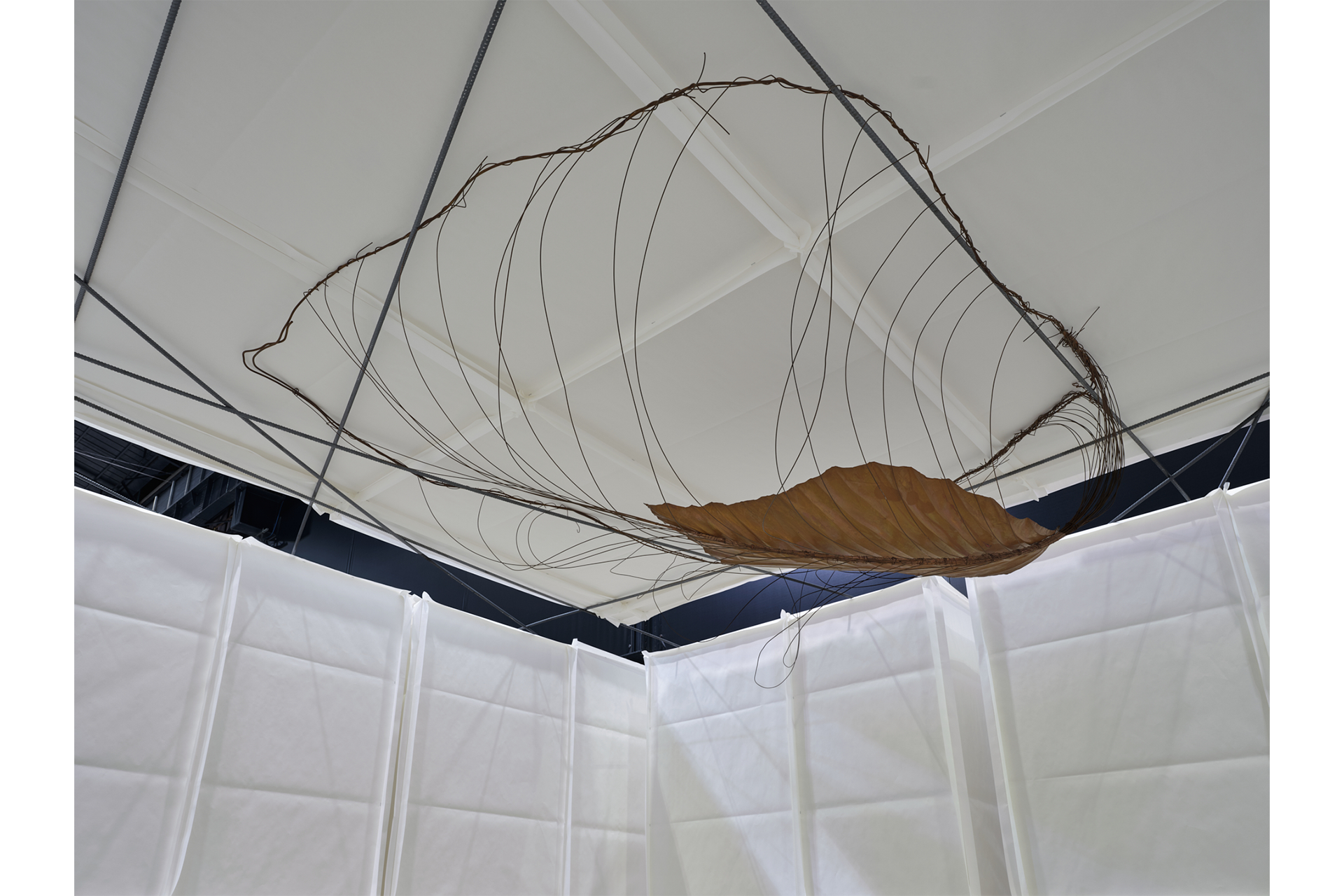
By bringing together sculpture, architecture, and painting, Fabro constructs pathways, perspectives, and architectural elements that reconfigure the perception of space. Conceived as both interventions within existing exhibition spaces and autonomous environments, the habitats challenge the neutrality of the white cube by using ephemeral materials such as paper and light, to define new spatial configurations and to accommodate other works by the artist.
In many respects, these environments evoke the welcoming atmosphere of the Baroque piazza while resonating with the context of radical and relational urbanism developed between the 1960s and 1970s.
Hence, the artwork is not merely observed but also experienced and inhabited within a dynamic system in which space, body, and perception influence one another. Fabro defined the habitat as a topos, a constructed place capable of generating logos— meaning, relationships, and community.
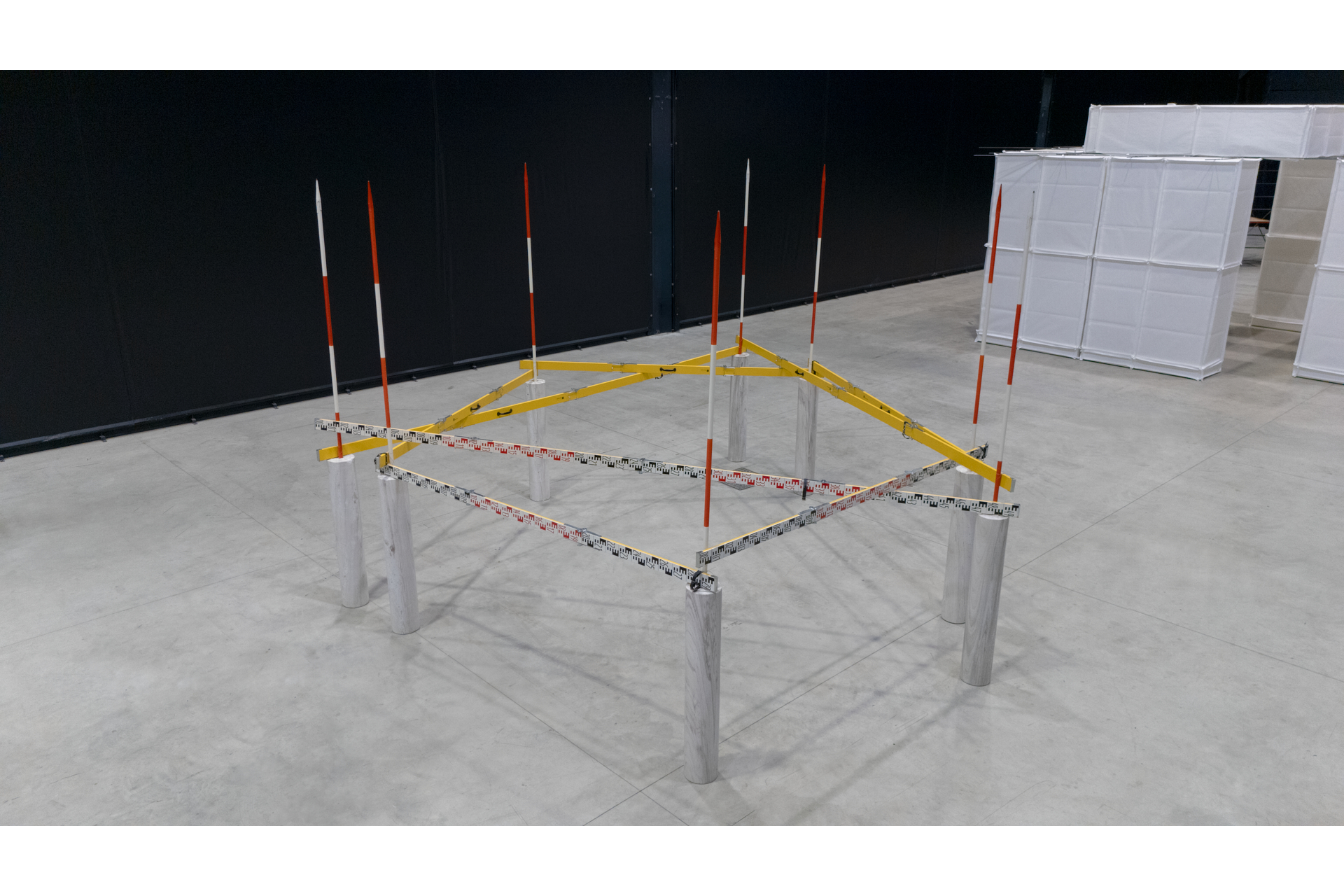
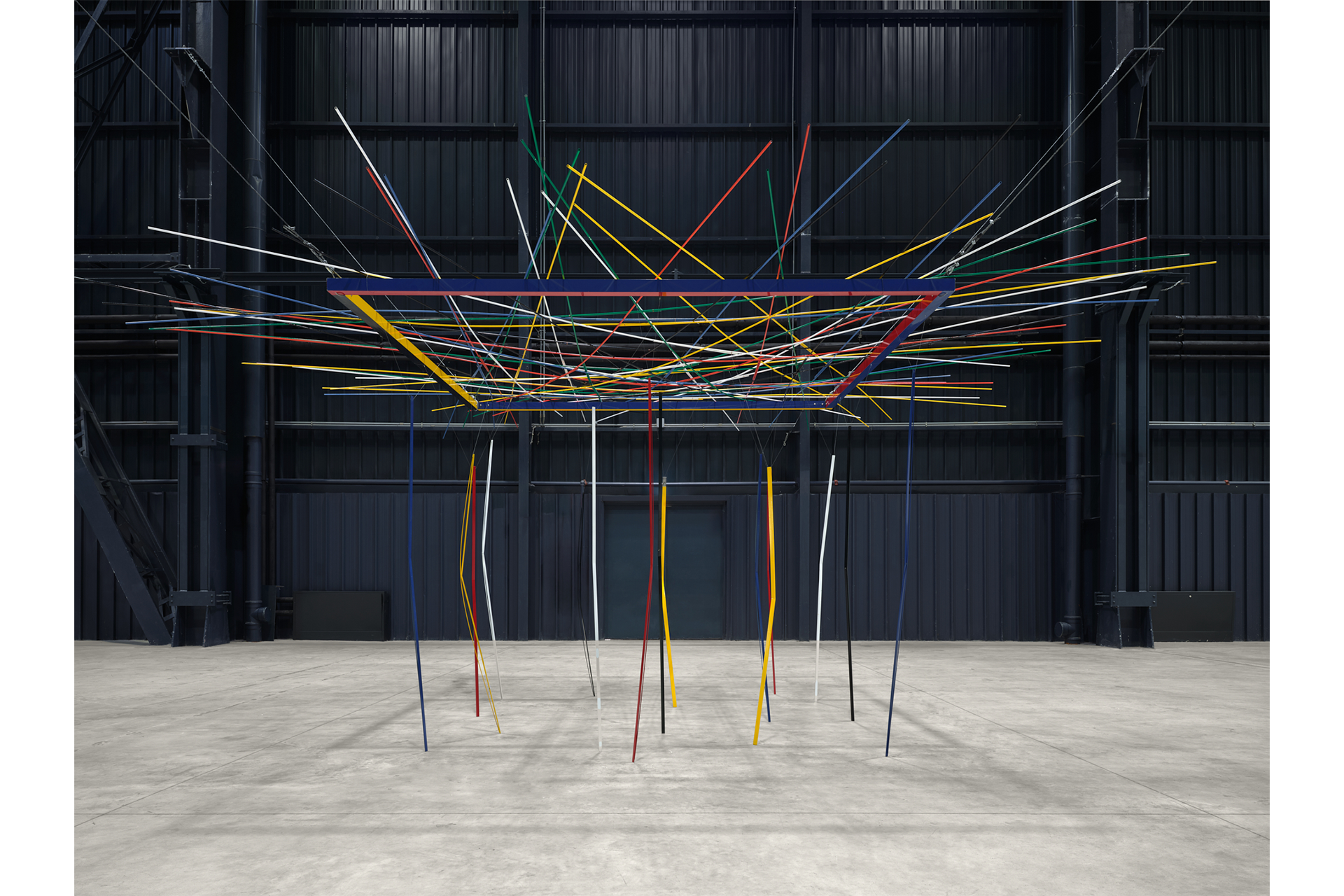
The exhibition path in Pirelli HangarBicocca alternates individual works with large-scale environmental installations that comprise multiple pieces, conceived as parts of a single spatial dispositive, alongside a number of habitats reconstructed in the Navate following the artist’s death, on the basis of his original plans and instructions.
Many international institutions have hosted solo exhibitions by Luciano Fabro, including
- Museo Nacional Centro de Arte Reina Sofía, Madrid (2014)
- Kunstmuseum Winterthur, Zurich (2013)
- GAMeC – Galleria d’Arte Moderna e Contemporanea, Bergamo (2013)
- Madre – Museo d’Arte Contemporanea Donnaregina, Naples (2007)
- Musée Bourdelle, Paris (2004)
- Tate Gallery, London (1997)
- Centro de Arte Hélio Oiticica, Rio de Janeiro (1997)
- Le Nuveau Musée, Villeurbanne (1997)
- Tate Gallery, London (1997)
- Centre Pompidou, Paris (1996)
- Portikus, Frankfurt am Main (1996)
- Palazzo Fabroni, Pistoia (1994)
- San Francisco Museum of Modern Art (1992)
- Kunstmuseum Luzern, Lucerne (1991)
- Fundació Joan Miró, Barcelona (1990)
- Museo Nazionale di Capodimonte, Naples (1989)
- Castello di Rivoli Museo d’Arte Contemporanea, Rivoli-Turin (1989)
- Palais des Beaux-Arts, Brussels (1988)
- Musée d’Art Moderne de la Ville de Paris (1987)
- Fruitmarket Gallery, Edinburgh (1987)
- Pinacoteca Comunale, Loggetta Lombardesca, Ravenna (1983)
- Neue Galerie – Sammlung Ludwig, Aachen (1983)
- Museum Boijmans Van Beuningen, Rotterdam (1981)
- Museum Folkwang, Essen (1981)
- PAC Padiglione d’Arte Contemporanea, Milan (1980)
The artist has taken part in numerous biennials and group shows, such as
- Biennale of Sydney (2018, 1988)
- Quadriennale d’arte, Rome (2008, 2005, 1986, 1973)
- Venice Biennale (1997, 1993, 1986, 1984, 1980, 1978, 1975, 1972)
- Bienal de São Paulo (1996, 1975)
- documenta, Kassel (1992, 1982, 1972)
- Paris Biennale (1985, 1971)
- Tokyo Biennale (1970).
Luciano Fabro received numerous prestigious awards, including
-
- Accademico d’Onore, Florence (2004)
- Coutts Contemporary Art Award, Zurich (1994)
- Antonio Feltrinelli Prize, Rome (1993)
- Sikkens Prize, Rotterdam (1987)
- Art Prize, Aachen (1981)
Useful information
When will the exhibition open?
The exhibition runs from October 08, 2026 to February 21, 2027. The museum is open Thursday to Sunday, from 10.30 AM to 8.30 PM.